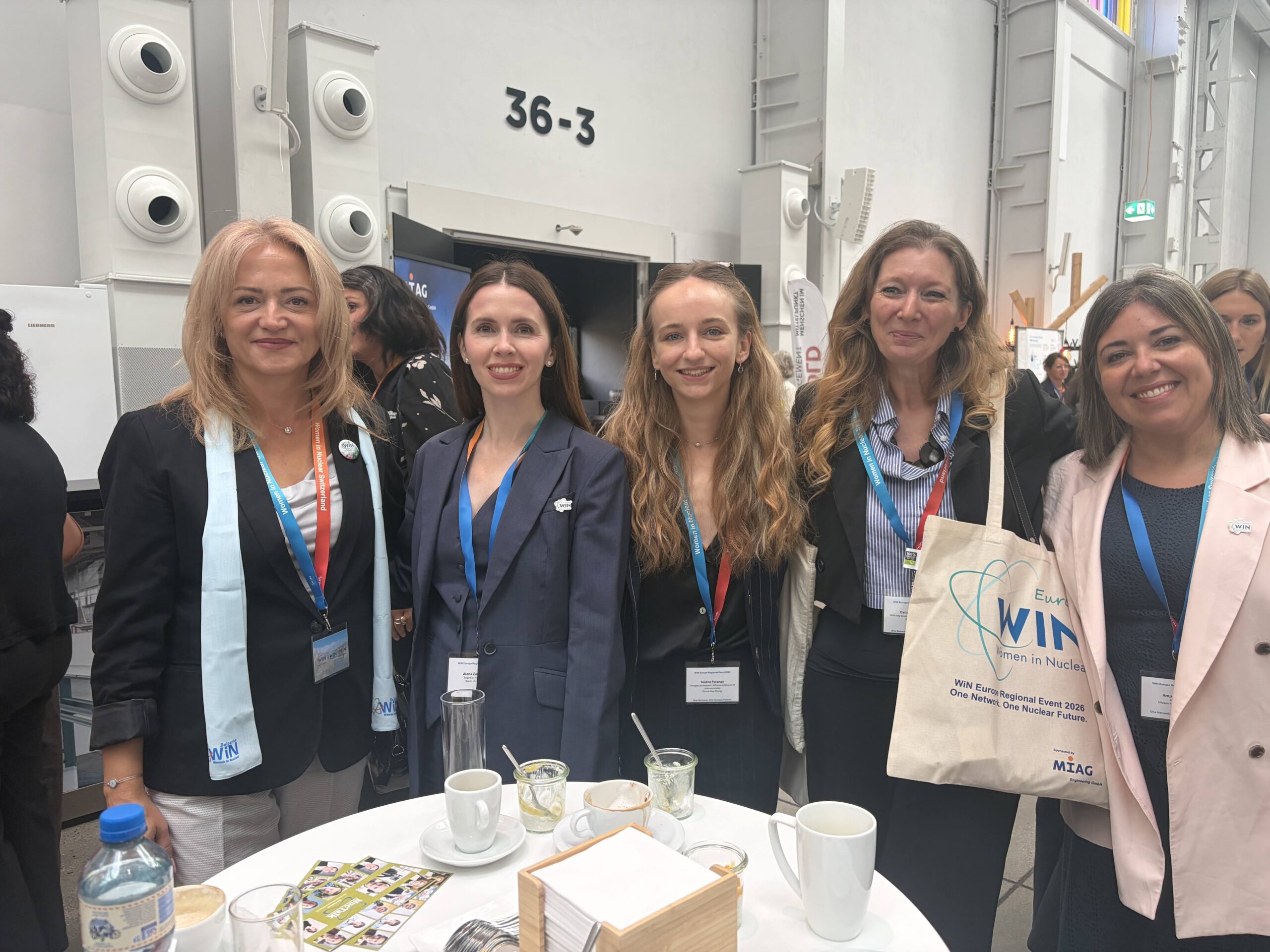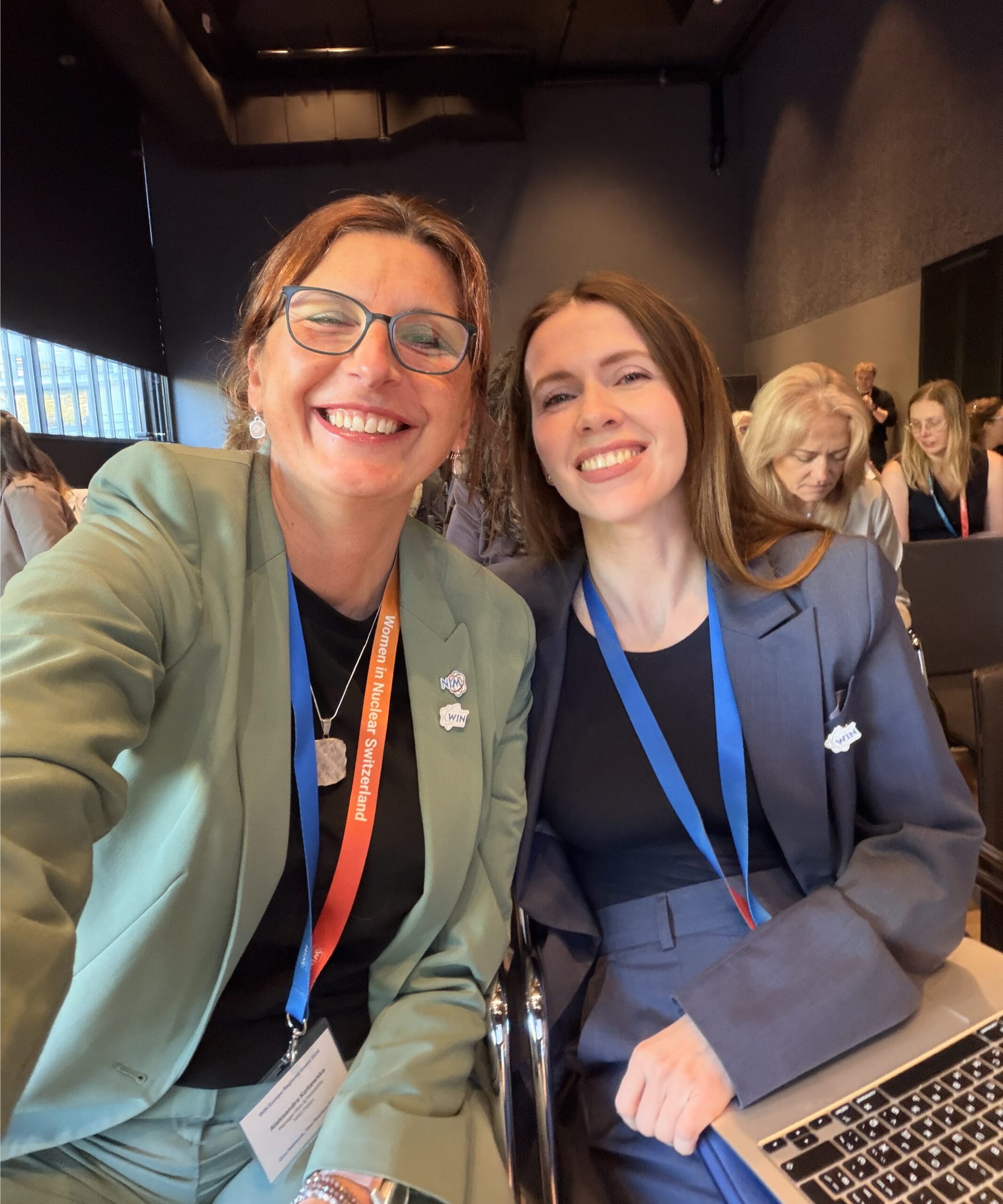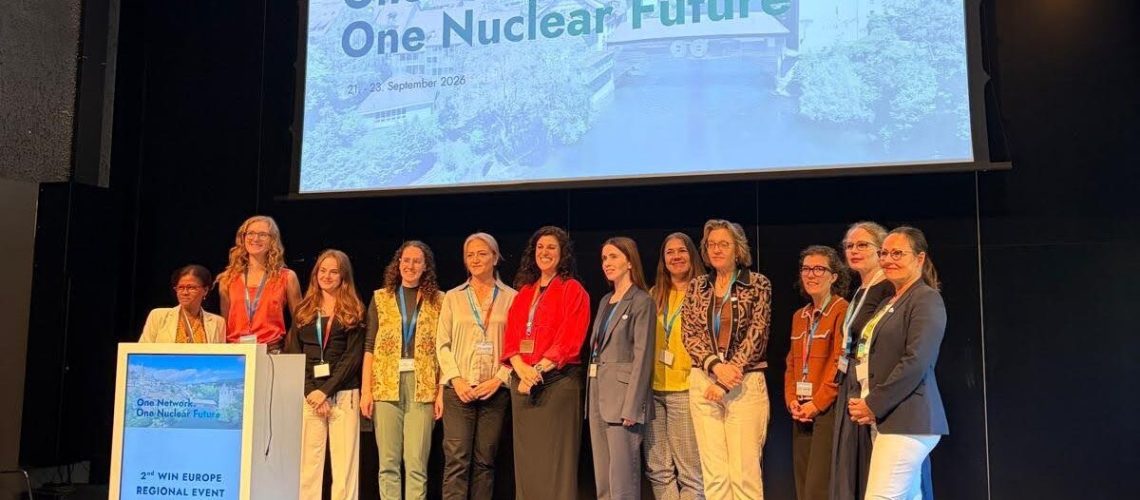
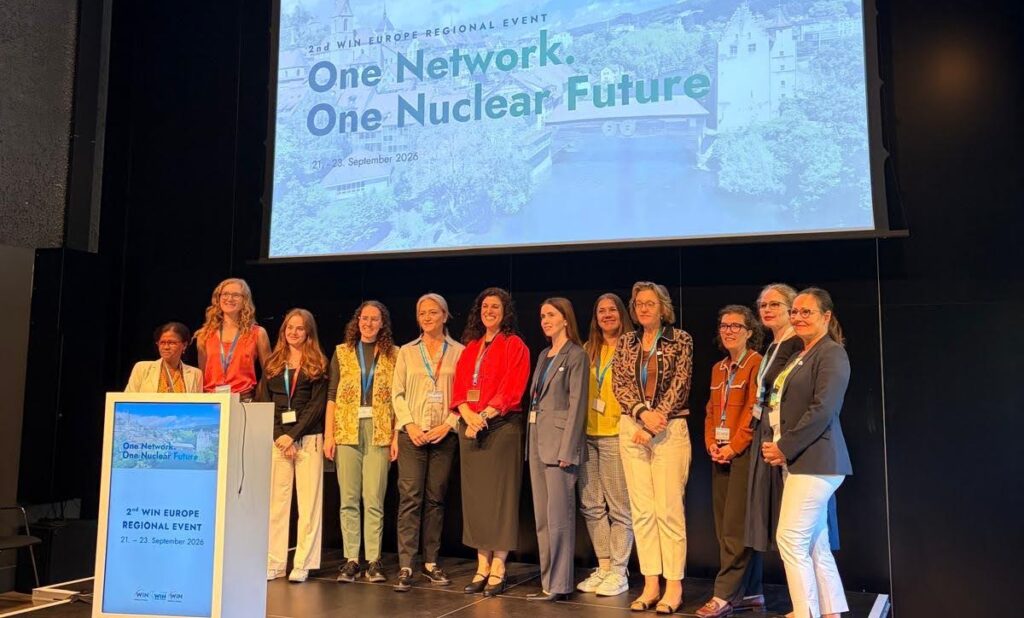
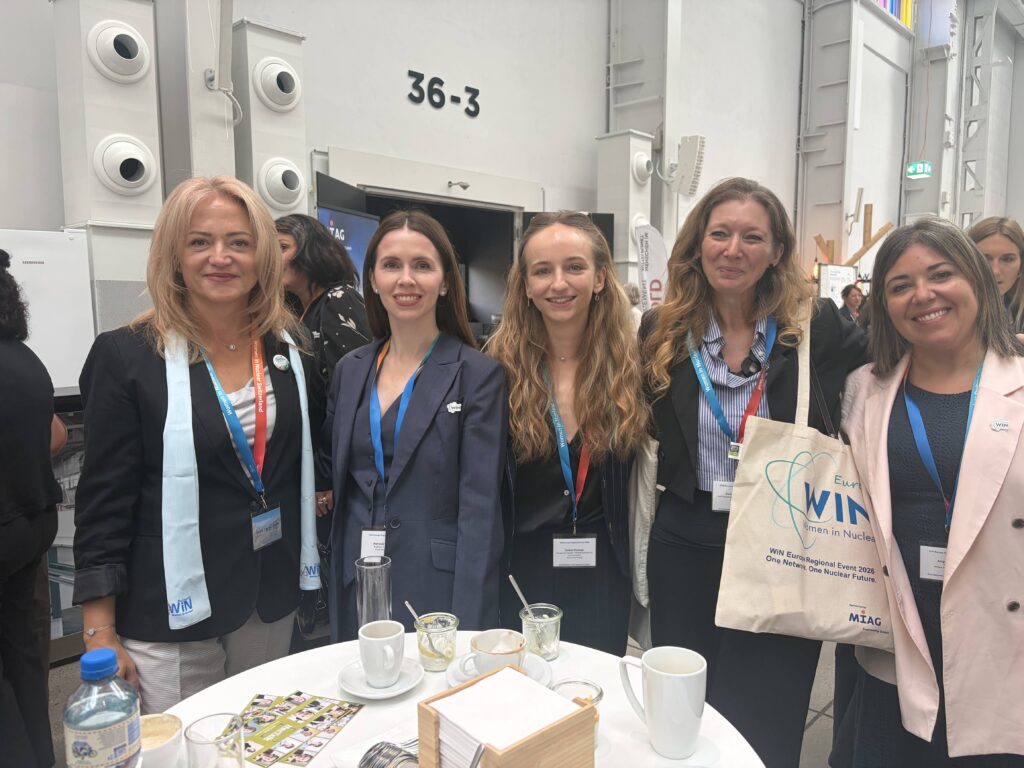
From 21 to 23 September 2026, the 2nd WiN Europe Regional Event 2026 took place in Baden, Switzerland. The event brought together the European Women in Nuclear community, including representatives of national WiN chapters, nuclear industry professionals, representatives of industry and academia, and international organizations. Ukraine was represented by Alona Zavorotnia, President of WiN Ukraine.
This year’s Regional Event brought together more than 120 participants, representing 17 national WiN chapters within WiN Europe and 25 nationalities. Organized by WiN Europe and WiN Global, the event provided a platform for professional discussions on the future of nuclear energy, energy security, women’s leadership, and strengthening cooperation across the European nuclear community.
One of the central themes was the transformation of Europe’s energy landscape. Participants discussed global trends in nuclear power development, the future of the European electricity system, national energy strategies, and the role of nuclear energy in providing reliable, low-carbon, and affordable electricity.
A dedicated session focused on the future of Switzerland’s electricity system. Participants were presented with research findings and different development scenarios, including in the context of the ongoing political process concerning a possible review of the current ban on the construction of new nuclear power plants.
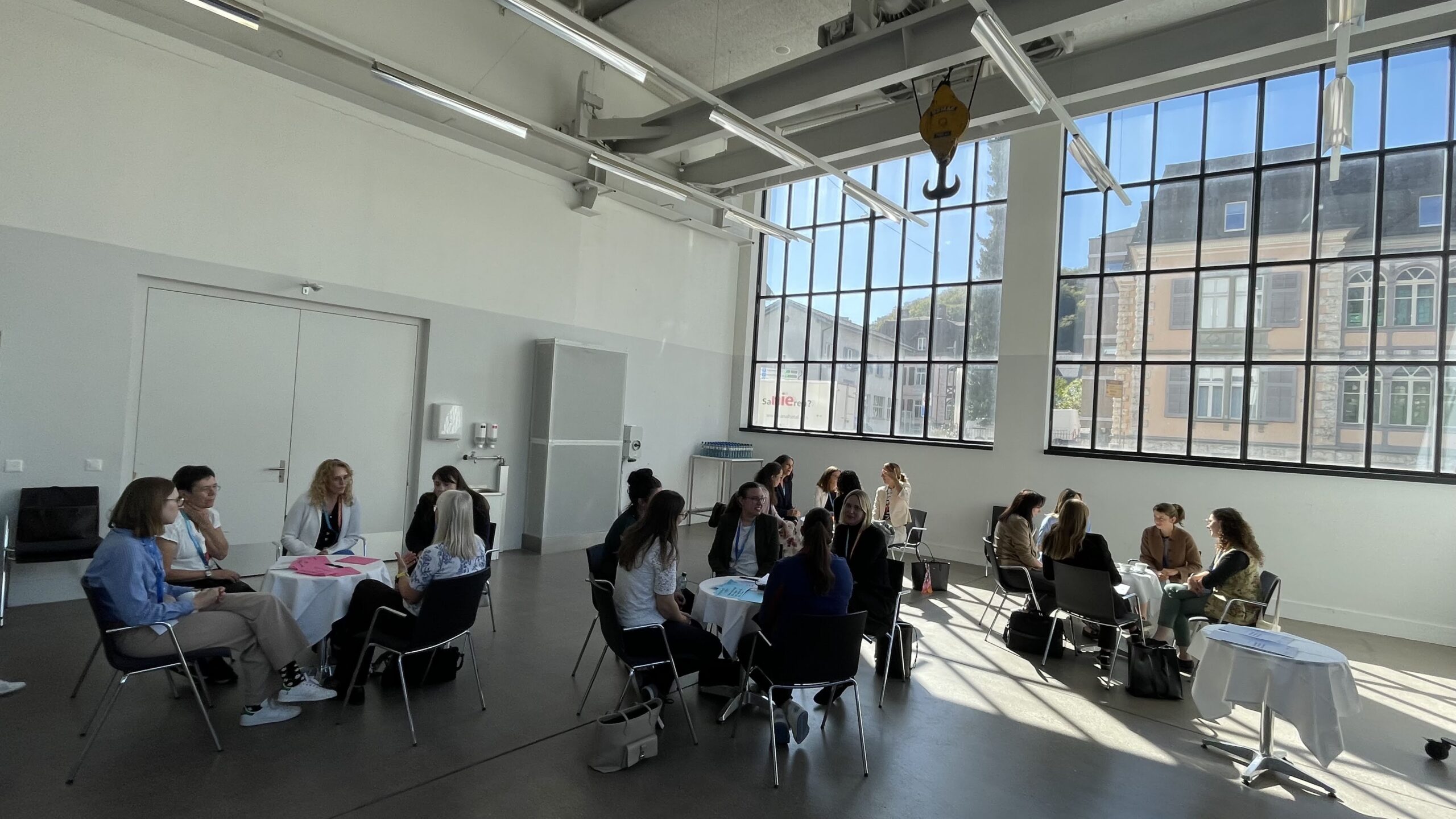
The Regional Event programme combined plenary discussions, expert presentations, practical workshops, and technical visits. Representatives of national WiN chapters shared experience, addressed issues of relevance to the nuclear community, and discussed further areas for cooperation within WiN Europe.
From the History of WiN to New Professional Connections
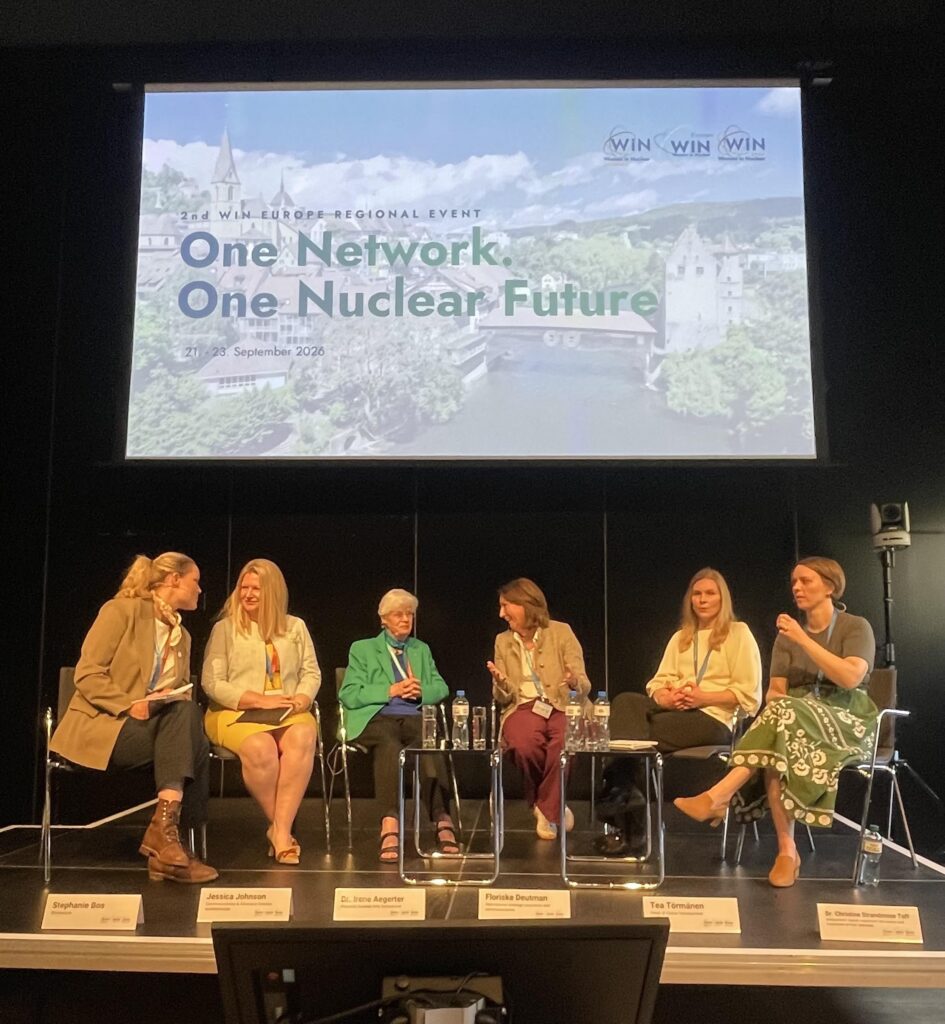
A special highlight of the Regional Event was the participation of Irene Aegerter, a physicist, founder of Women in Nuclear Global, and the organization’s first President, serving from 1992 to 1996. She was also a member of the Swiss Federal Nuclear Safety Commission and worked for decades in the fields of nuclear technology, safety, and professional communication.
Her participation brought together, within one professional space, the history of the international Women in Nuclear network and a new generation of national chapters that are developing cooperation in a rapidly changing European nuclear sector.
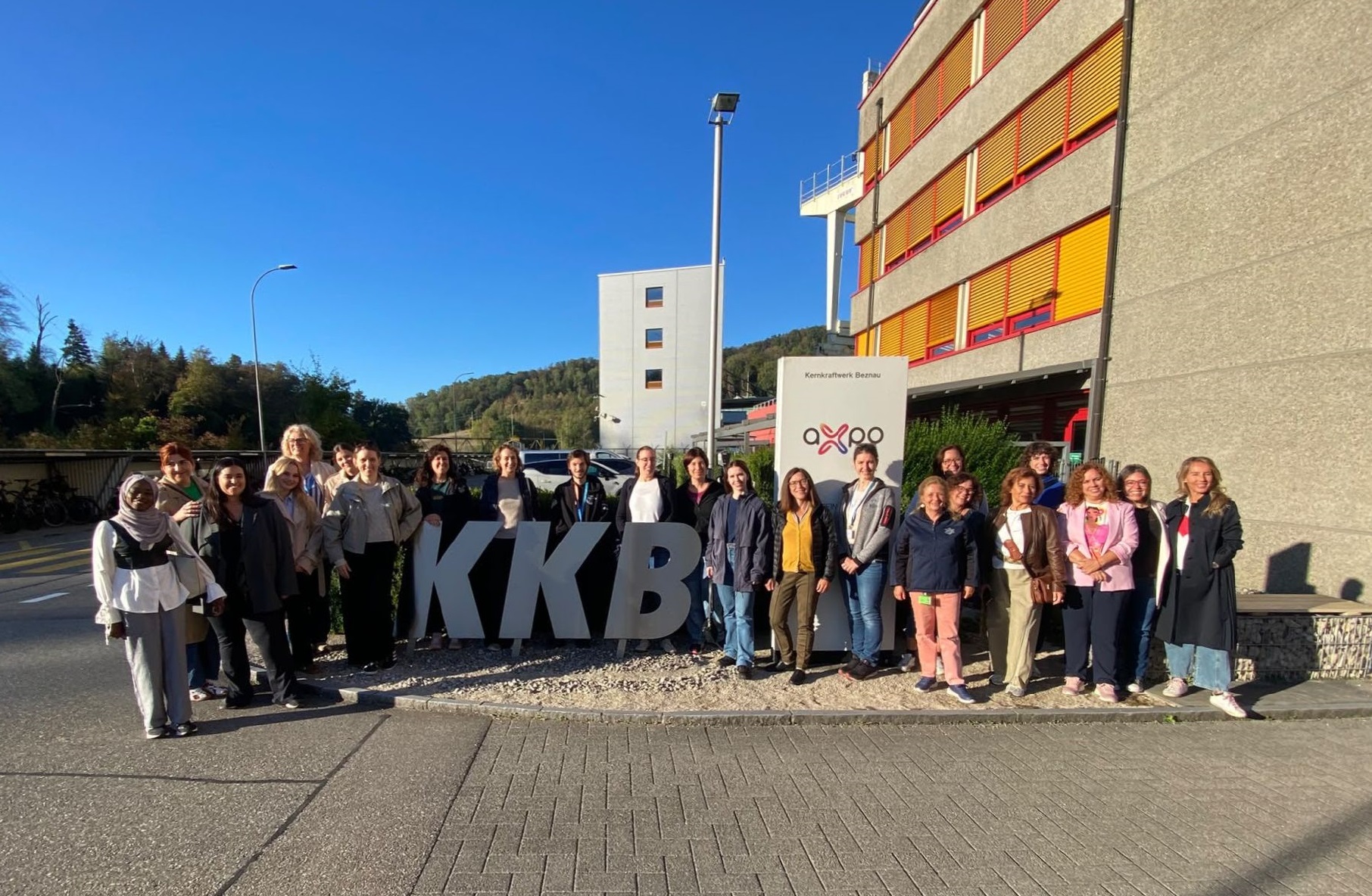
The technical part of the programme gave participants an opportunity to gain first-hand insight into Switzerland’s nuclear sector. The available technical visits included the Beznau and Gösgen Nuclear Power Plants, the PSI Hot Laboratory, the ZWILAG central interim storage facility for radioactive waste, and the Mont Terri Rock Laboratory.
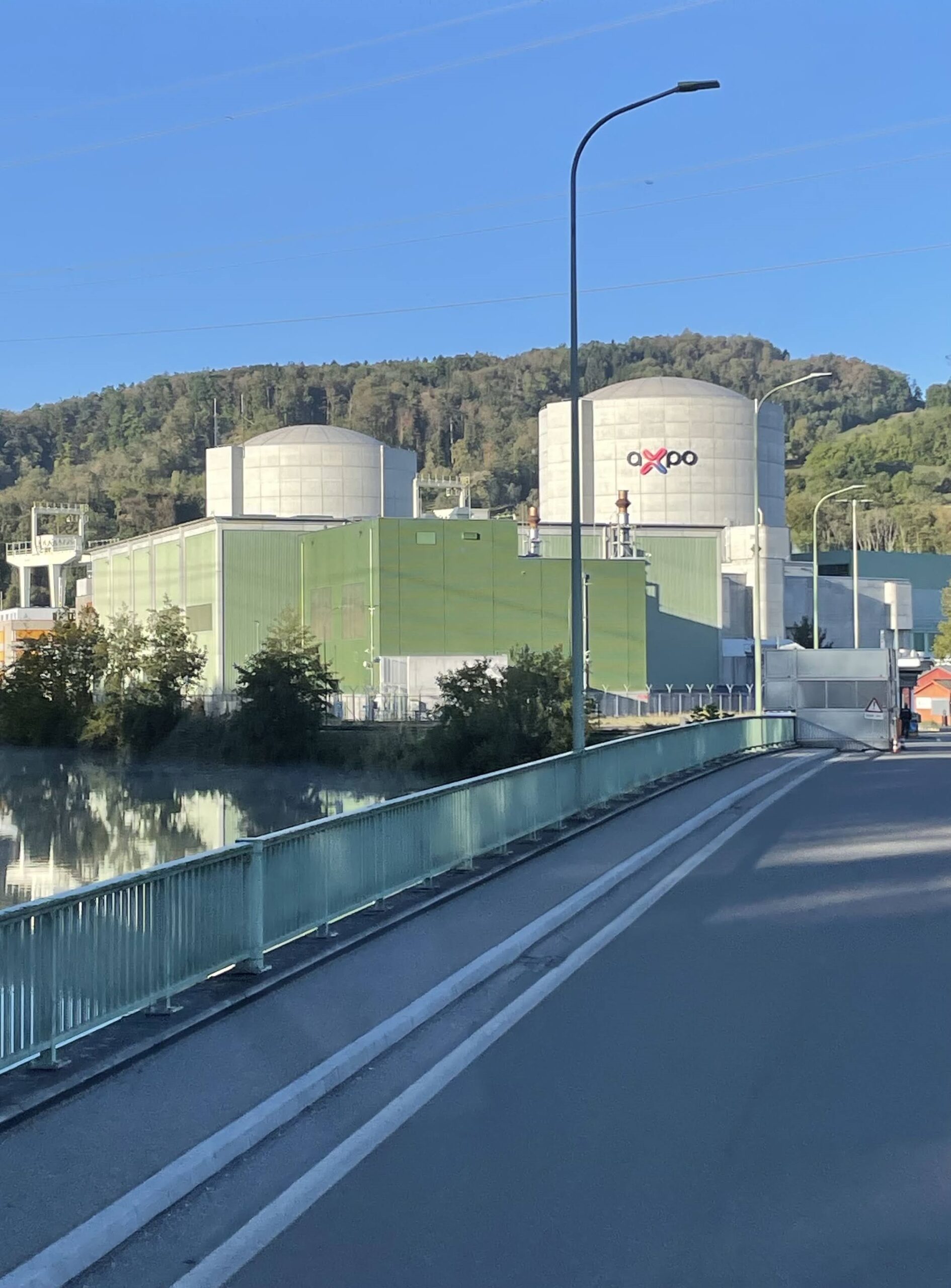
President of WiN Ukraine Alona Zavorotnia visited the Beznau Nuclear Power Plant. Unit 1 began commercial operation in 1969 and is the world’s oldest commercially operating nuclear power reactor still in service. The visit provided an opportunity to learn about Swiss approaches to long-term operation, ageing management, and the modernization of nuclear installations.
The Ukrainian Dimension of the European Discussion
Questions surrounding the future structure of energy systems in Europe are increasingly linked to energy security and resilience. Russia’s full-scale invasion of Ukraine has fundamentally changed this context, demonstrating the vulnerability of energy infrastructure to wartime threats and the critical importance of a stable electricity supply for the functioning of a state.
For the nuclear sector, the war in Ukraine has created a complex set of challenges that civilian nuclear energy had not previously faced on such a scale: the occupation of nuclear facilities, military presence at nuclear power plant sites, attacks on energy infrastructure, prolonged pressure on personnel, the need to maintain critical competencies, and the requirement to sustain the continuity of operations under conditions of persistent uncertainty. This experience became an important part of Ukraine’s contribution to the professional programme of the Regional Event.
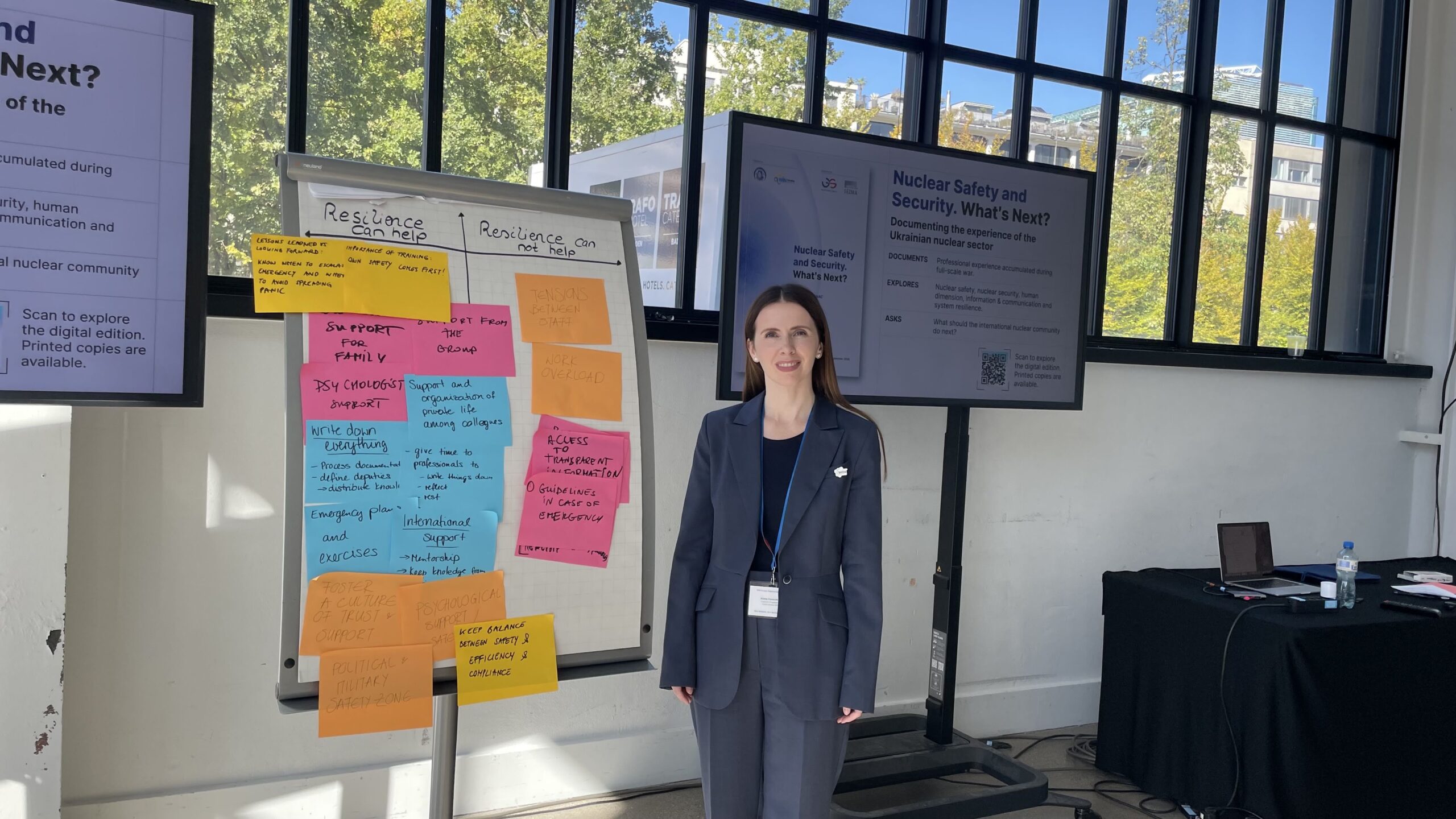
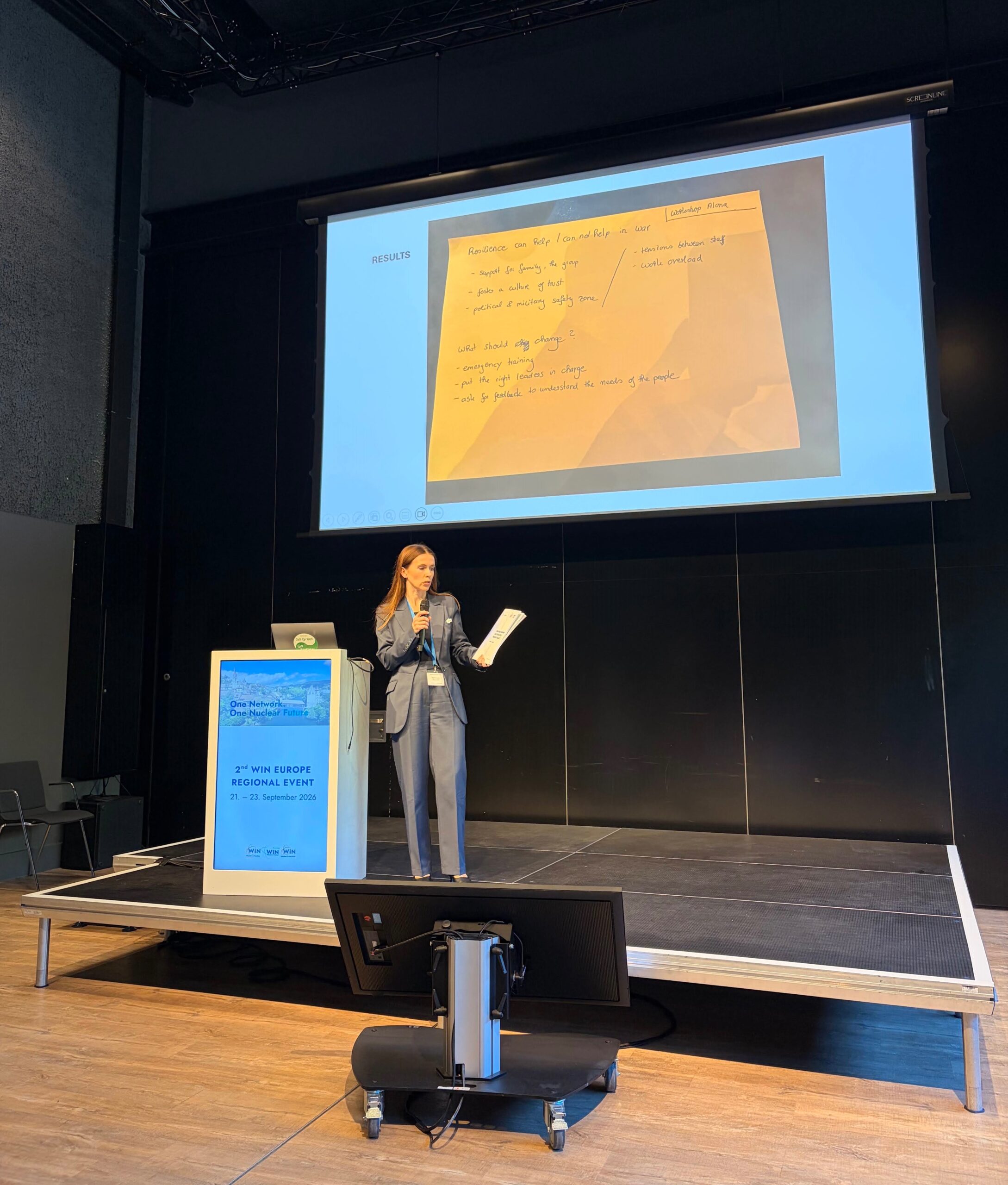
President of WiN Ukraine Alona Zavorotnia facilitated the workshop “Supporting the Psychological Well-being and Resilience of Nuclear Professionals During Prolonged Crisis Conditions”, focusing on the professional and psychological resilience of nuclear sector personnel during prolonged crises.
During the workshop, participants discussed the impact of prolonged stress and uncertainty on professional teams, maintaining operational capacity and critical competencies, supporting personnel, and the experience of Ukrainian nuclear professionals who continue to work under the conditions of the full-scale war.
“Ukrainian nuclear professionals today have experience that no nuclear community in the world should ever have had to acquire. We are learning how to maintain the resilience of professional teams, make decisions under conditions of uncertainty, and continue performing our work in circumstances that were previously difficult to imagine. It is important for us that this experience becomes part of the international professional dialogue,” said Alona Zavorotnia, President of WiN Ukraine.
Another aspect of Ukraine’s participation was the presentation of the “Nuclear Safety and Security. What’s Next?” Almanac, developed as a joint initiative of WiN Ukraine and the Energy Safety Institute with contributions from Ukrainian experts and partner organizations.
The publication systematizes Ukraine’s experience and brings into the international professional discussion a range of issues related to nuclear safety and nuclear security, the resilience of energy systems, the human factor, the information environment, and emerging threats to civilian nuclear infrastructure.
Over the years of the full-scale war, Ukrainian professionals have accumulated extensive experience in maintaining nuclear and radiation safety, preserving critical competencies and personnel resilience, sustaining the operation of nuclear enterprises, and responding to threats to energy and nuclear infrastructure. Many of these challenges extend beyond the scenarios on which approaches to preparedness in the civilian nuclear sector had been developed over decades.
The participation of WiN Ukraine in the WiN Europe Regional Event provides an opportunity to bring this experience into the international professional environment through expert discussions, the exchange of practices, and direct interaction between Ukrainian professionals and colleagues from other countries.
Such dialogue is important for Ukraine, which continues to learn from international approaches, as well as for the European nuclear community, which is currently reassessing questions of energy security, resilience, and preparedness for emerging risks.